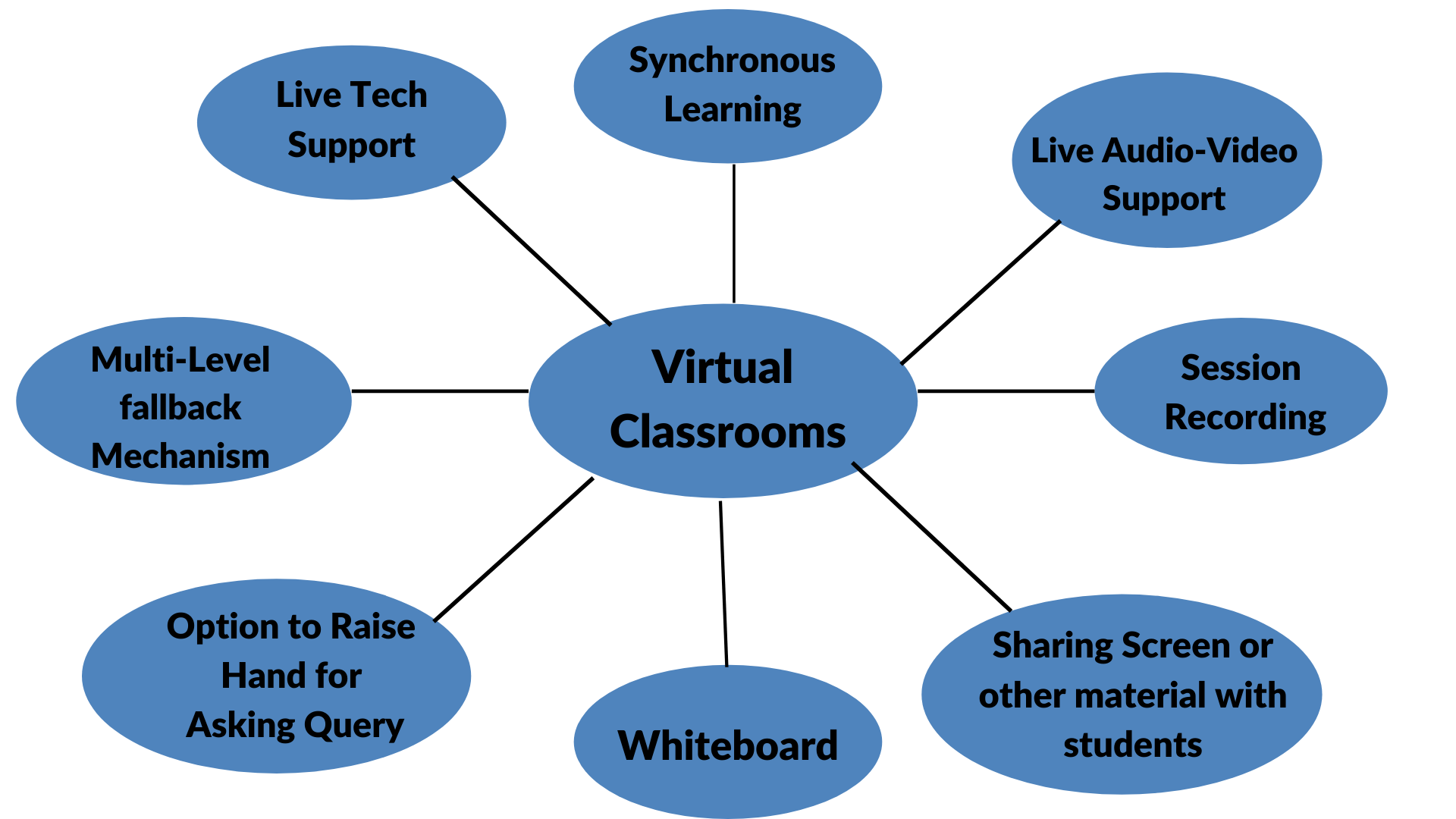
The Benefits of Virtual Classrooms: Learning in Comfort
Virtual classrooms have revolutionized the way we approach education, offering unparalleled flexibility and convenience for learners of all ages. With the ability to attend classes from the comfort of home, students can eliminate commuting time and create a personalized learning environment that suits their needs. Additionally, virtual learning platforms often provide access to a wealth of resources, including recorded lectures, discussion forums, and interactive quizzes, which further enhance the educational experience. According to a study by the George Lucas Educational Foundation, many students find that they achieve higher levels of understanding and retention when engaging with digital materials.
Moreover, virtual classrooms facilitate a more inclusive learning environment that can accommodate diverse learning styles and paces. Students can revisit lesson materials and engage with faculty during virtual office hours, fostering a collaborative atmosphere that extends beyond traditional classroom boundaries. This adaptability not only benefits individual learners but also allows educators to employ a range of teaching strategies to cater to various student needs. As highlighted by the Inside Higher Ed, many students express a preference for certain aspects of online learning, emphasizing the importance of flexibility in modern education.
How to Create an Engaging Virtual Classroom Environment
Creating an engaging virtual classroom environment starts with understanding your audience and their learning preferences. Use a variety of multimedia resources, such as engaging videos, interactive quizzes, and discussion forums to cater to different learning styles. Additionally, establishing clear guidelines and expectations from the outset is essential. This can include a behavioral contract, a schedule of activities, and a well-defined system for participation to encourage collaboration and accountability among students.
Furthermore, fostering a vibrant community within your virtual classroom can make all the difference. Encourage student interaction through breakout rooms during live sessions, and consider incorporating team-based activities. Implementing a reward system for participation can also motivate students to engage more deeply. Lastly, regularly solicit feedback to adapt your teaching methods to better suit the needs of your students, ensuring that they feel heard and valued in this digital space.
5 Tips for Staying Focused and Productive During Online Classes
Staying focused and productive during online classes can be challenging, but implementing effective strategies can make a significant difference. Here are 5 tips to enhance your online learning experience:
- Set a designated study space: Choose a quiet and comfortable area free from distractions. This will signal your brain that it’s time to focus on learning.
- Maintain a consistent schedule: Just like in a traditional classroom, following a routine helps establish a sense of normalcy. Block out specific times for classes, assignments, and breaks.
- Use technology wisely: Make the most of tools designed to aid your concentration. For instance, applications like [Forest](https://www.forestapp.cc/) can help you stay off your phone and focus on the task at hand.
Moreover, staying engaged is crucial for productivity. Here are two more tips to ensure you get the most out of your online courses:
- Participate actively: Engage with your instructors and classmates during discussions. This not only enhances your understanding but also keeps you mentally involved.
- Take regular breaks: Following the Pomodoro Technique, which involves studying for 25 minutes and then taking a 5-minute break, can prevent burnout and improve focus. Check out this article for more insights.